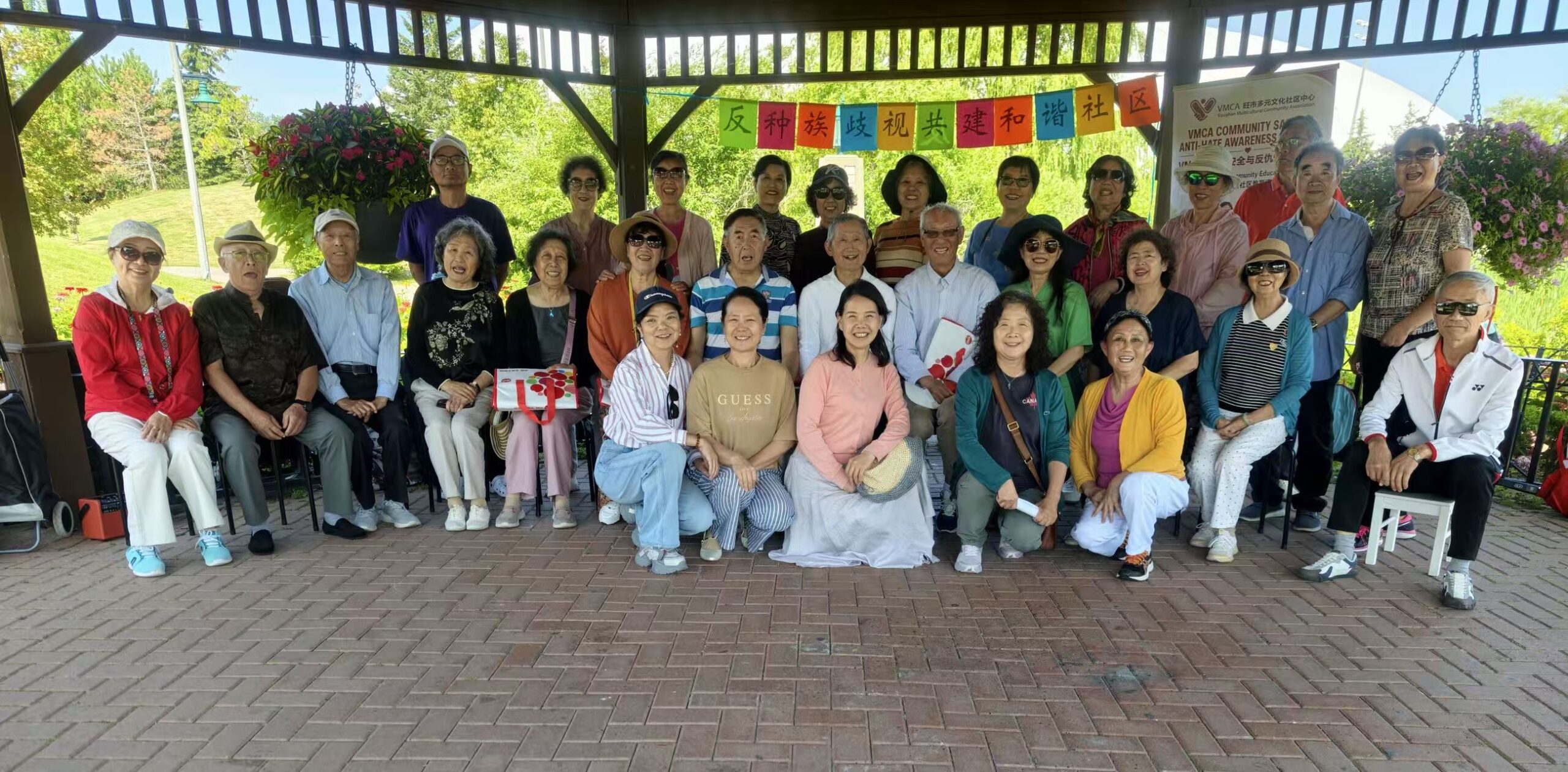
Vaughan Multicultural Community Association (VMCA) held a Community Safety and Anti-Hate Awareness Workshop on July 13 at the park located at 1300 Elgin Mills Road East. Through safety education, practical guidance and community discussion, the workshop aimed to help residents recognize discrimination and hate-motivated incidents, strengthen personal safety awareness and contribute to a safer, more inclusive community.
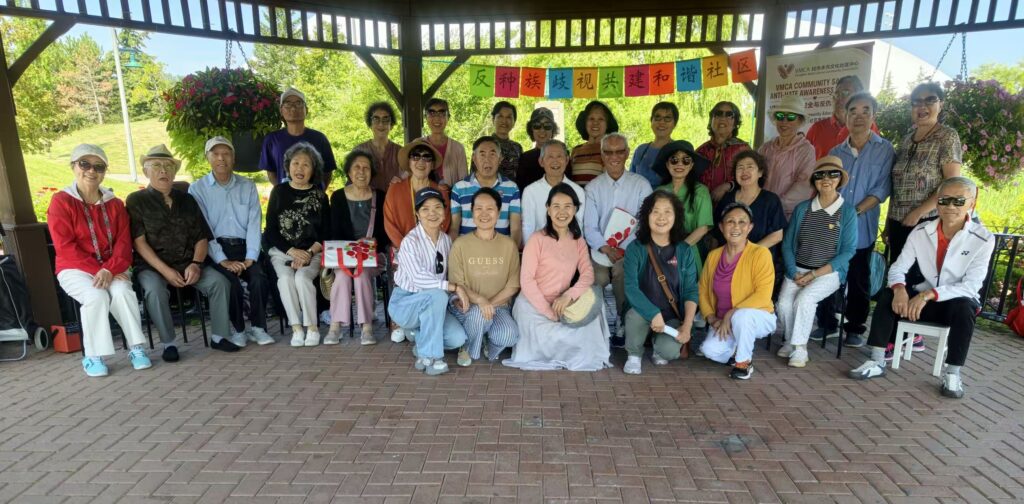
The workshop was part of VMCA’s community safety and anti-hate public education initiatives. Organizers noted that as York Region and the Greater Toronto Area become increasingly diverse, residents are interacting with people from a wide range of cultural, ethnic, religious and linguistic backgrounds.
While this diversity brings energy and opportunity to local communities, it also highlights the importance of communication, mutual understanding and accessible public education. Community members need clear information about how to respond when they experience or witness discrimination, harassment, threats or potentially hate-motivated conduct.
The workshop focused on four main themes: recognizing risks, protecting oneself, reporting incidents and supporting other community members. Participants discussed safety concerns that may arise in public spaces, residential neighbourhoods and community events, as well as practical ways to respond calmly and responsibly.
Organizers encouraged residents to remain aware of their surroundings, take reasonable precautions with their personal belongings and seek appropriate assistance when they observe suspicious or threatening behaviour. Participants were reminded that personal safety should always be the first priority and that individuals should avoid actions that could place themselves or others at greater risk.
A key part of the workshop addressed how to respond to incidents involving hostility or discrimination based on race, ethnicity, religion, language, gender or another aspect of a person’s identity.
Residents were encouraged not to remain silent simply because of language barriers, unfamiliarity with reporting procedures or concern that their experience might not be taken seriously. When it is safe to do so, individuals should document the time, location and circumstances of an incident and retain relevant information, such as photographs, videos, online messages or contact details for witnesses.
Such information may assist police, property managers, schools, community organizations or other appropriate agencies in understanding and responding to the incident.
The workshop also emphasized the importance of distinguishing between emergency and non-emergency situations. If there is an immediate threat to personal safety, residents should move to a safe location and call 911. Situations that do not involve an immediate danger, but may include harassment, discrimination, suspicious activity or hate-related conduct, can be reported through police non-emergency channels or discussed with an appropriate community service organization.
Participants also examined the role of bystanders in promoting community safety. Organizers explained that witnesses should first assess the situation and avoid escalating a confrontation. When circumstances allow, a bystander may support the affected individual, help contact family members or appropriate services, record relevant information or provide a witness statement afterward.
Even when direct intervention is not safe or appropriate, seeking professional assistance and checking on the affected person can provide meaningful support.
The workshop included discussion of safety concerns affecting families, seniors and young people. Families were encouraged to review emergency contact information together and ensure that seniors, newcomers and residents who are not fluent in English understand the basic channels available for requesting help.
Parents and guardians were also encouraged to speak with young people about bullying, online harassment and hate speech. Young people should be reminded to protect their personal information, preserve evidence of threatening communications and seek assistance from a trusted adult when they encounter unsafe or discriminatory behaviour.
Online safety was another subject addressed during the workshop. Participants were advised to evaluate online information carefully and avoid sharing unverified material that could promote hostility toward a particular ethnic, religious or social group.
When threatening, harassing or hateful content appears online, residents can use the reporting functions provided by the relevant platform. Depending on the seriousness and nature of the content, the matter may also need to be reported to police or another appropriate authority.
Held in an outdoor setting, the workshop provided participants with an opportunity to exchange experiences and discuss public safety, neighbourhood support, cultural differences and responses to discrimination in an open community environment.
The discussion highlighted the fact that some residents may be uncertain about which organization to contact after an incident. Community organizations can help address this gap by providing multilingual information, explaining reporting procedures and connecting residents with appropriate resources.
VMCA emphasized that preventing hate and strengthening community safety are shared responsibilities. Governments, police services, schools, businesses, media organizations, community groups, families and individual residents all have roles to play.
Community safety involves more than physical security measures. It also depends on trust, communication and a willingness among residents to support one another. When people respect cultural differences, challenge discriminatory behaviour and report serious concerns, the community becomes better equipped to prevent and respond to harmful incidents.
Organizers explained that the purpose of the workshop was not to create fear, but to provide residents with practical information and greater confidence when responding to difficult situations. Clear guidance is particularly important for newcomers, seniors and residents facing language barriers who may be unfamiliar with local institutions and support systems.
VMCA has been involved in promoting multicultural exchange, civic participation and community education. The association plans to continue organizing community safety seminars, multicultural activities and volunteer training programs based on the needs of local residents.
These activities are intended to expand anti-hate awareness and strengthen the ability of community volunteers to identify concerns, support residents and connect individuals with suitable services.
The workshop concluded with a call for residents to take practical steps in their daily lives: respect cultural differences, reject discrimination and hate speech, and support people who may feel isolated or unfairly treated.
According to VMCA, a genuinely safe community is not defined only by the absence of crime or conflict. It is also a place where residents of every cultural and ethnic background can feel respected, understood and included.